Tiger Lily Neko
AI-Generated Anime Character · Fictional Adult
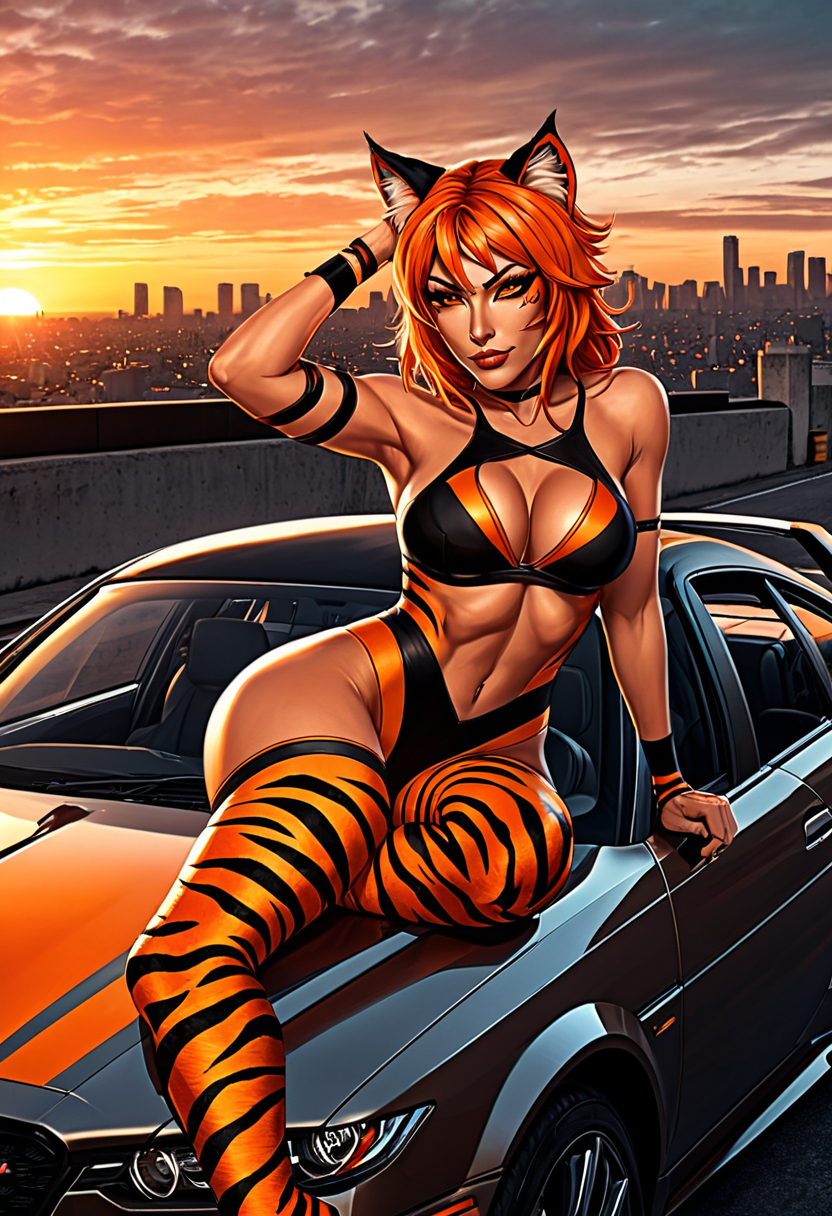
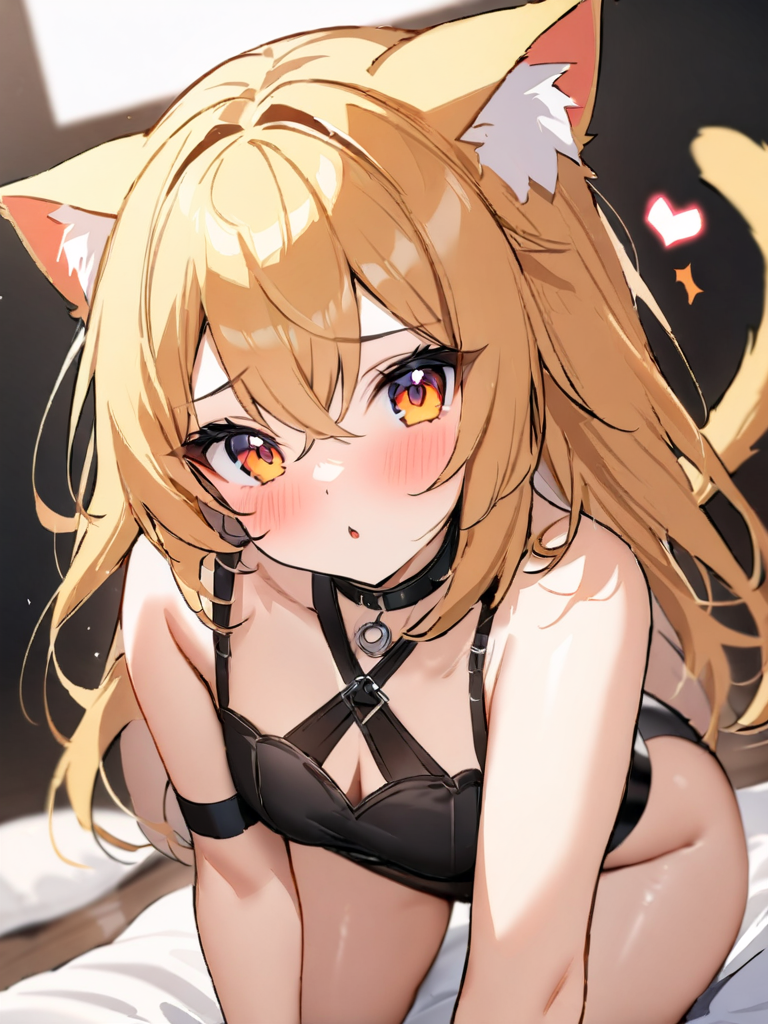
Tiger Lily Neko is a 100% fictional anime character created by AI. This character does not represent any real person. All depicted characters are explicitly adults aged 21 or older. Content intended for adults 18+ only. In compliance with 18 U.S.C. § 2257, all visual depictions consist entirely of artificially generated images.
About this Catgirl set
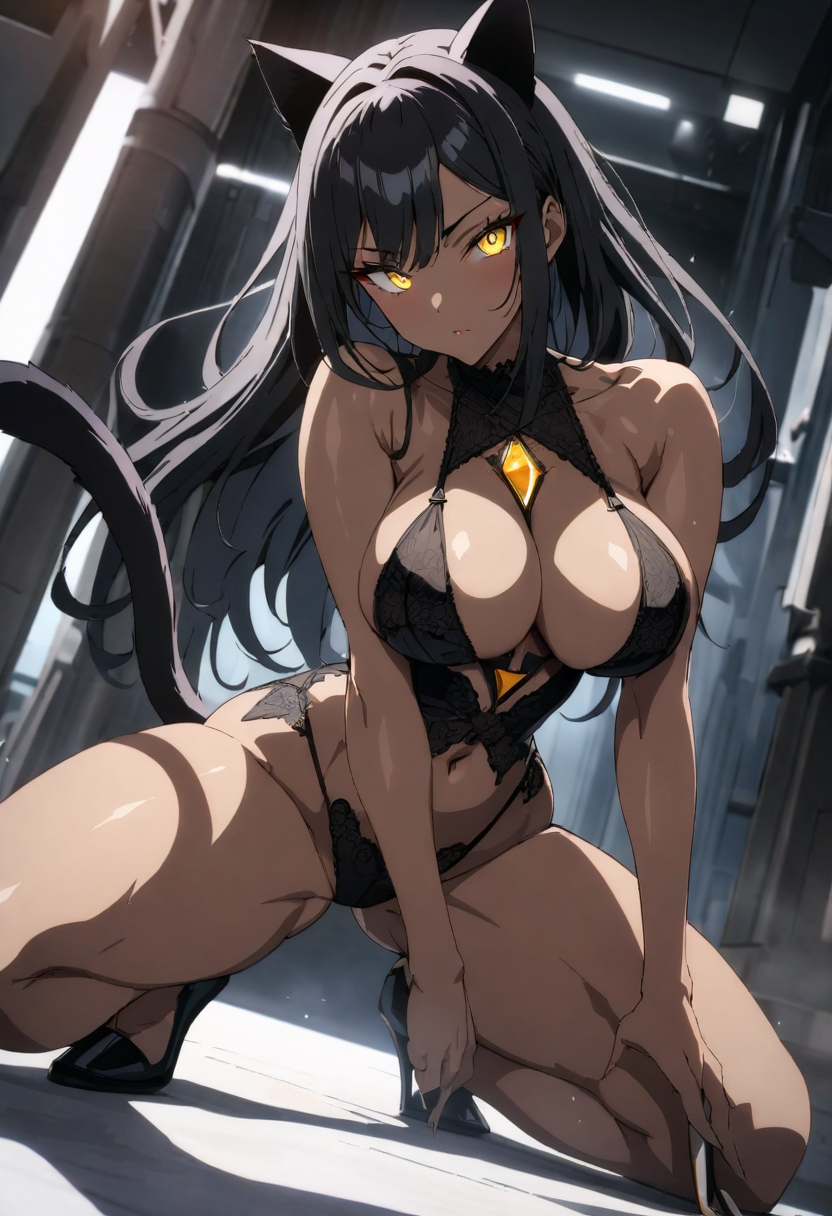
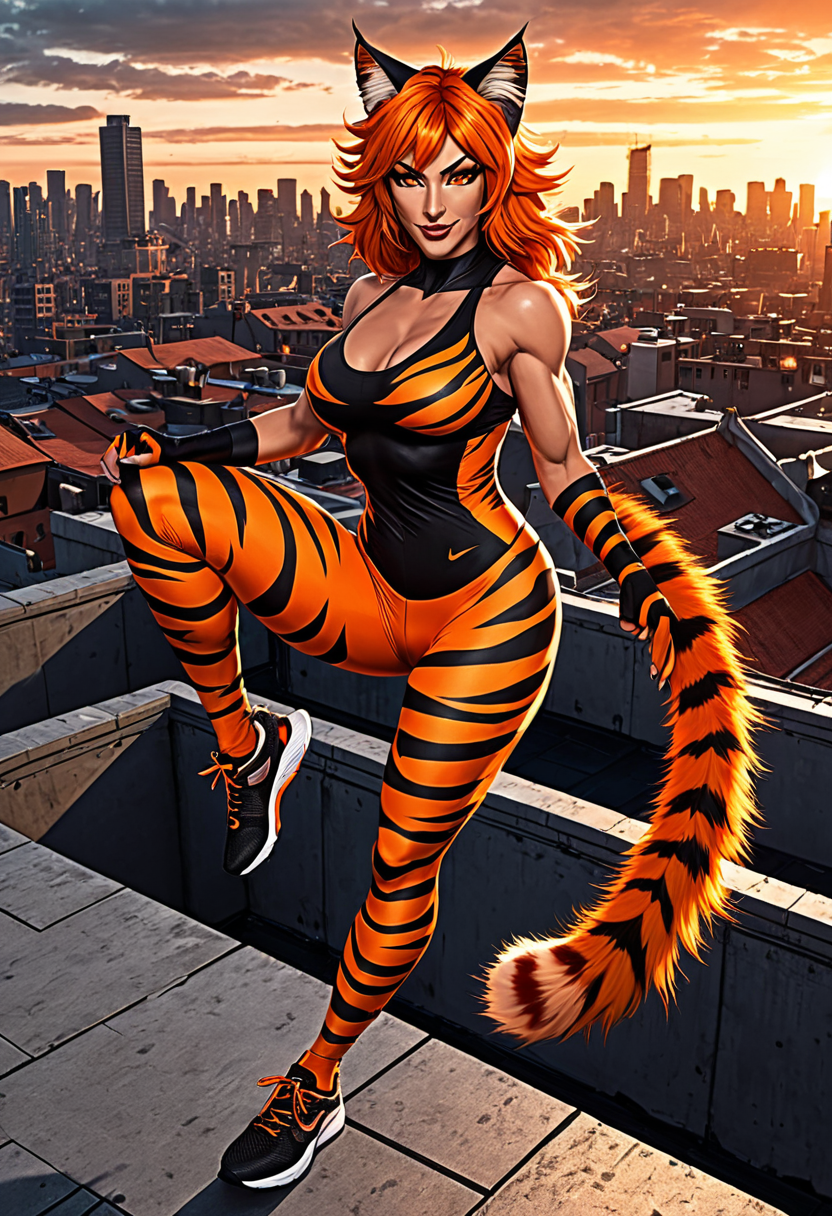
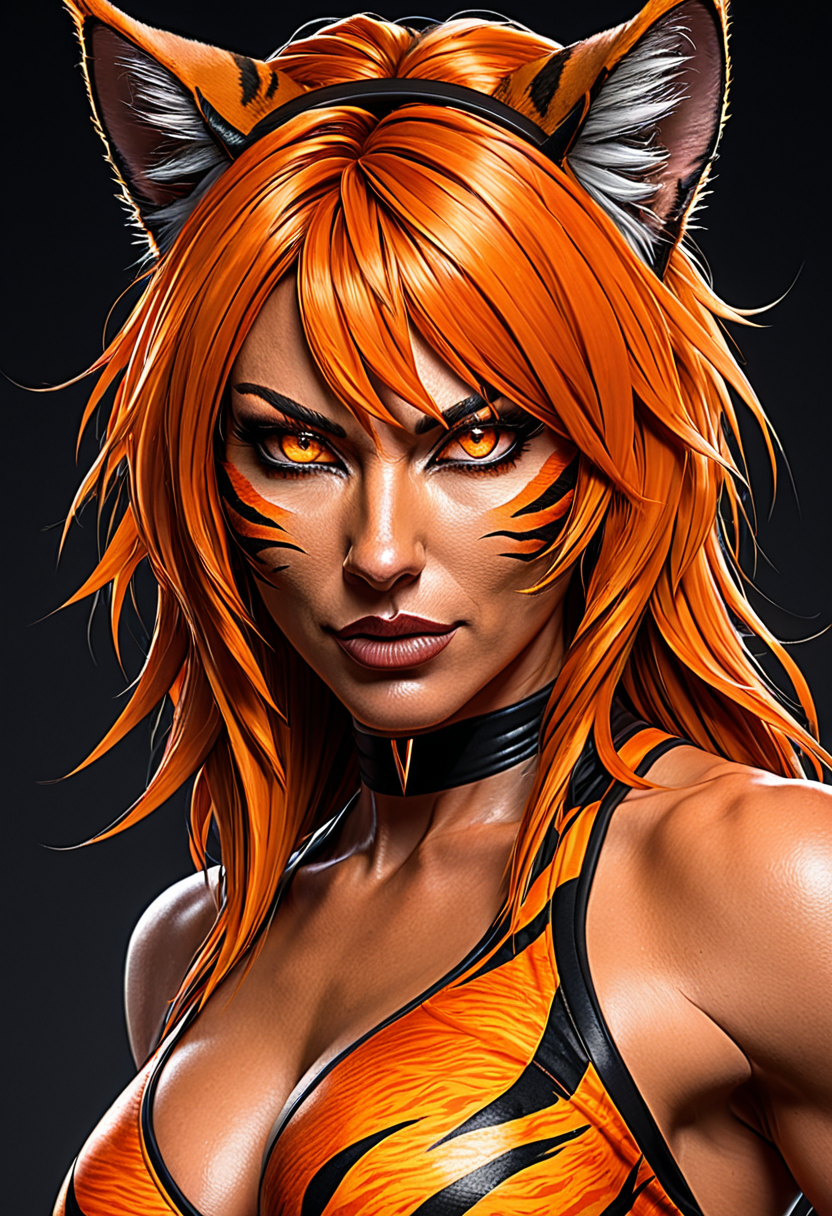
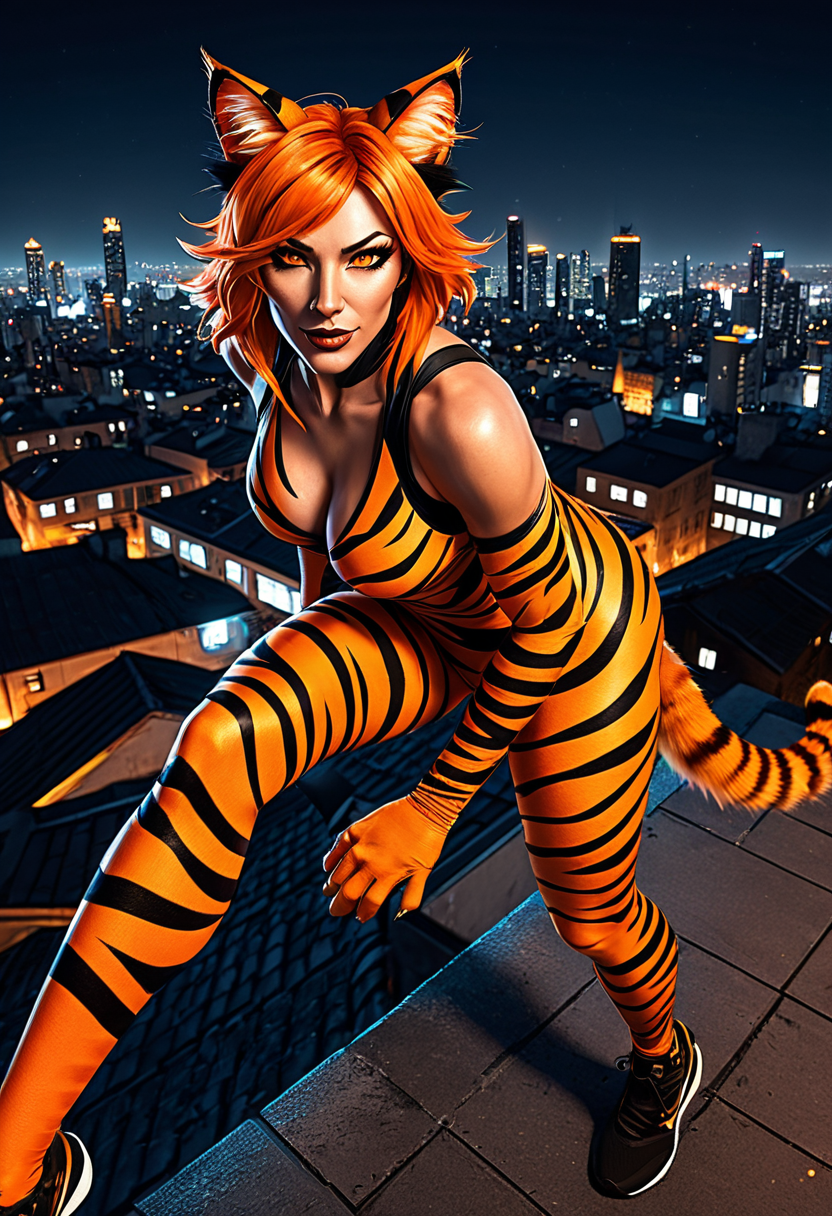
The set opens with a focus on surface qualities — soft fur-textured ears, sleek tail fur catching ambient light, and the subtle sheen of synthetic fabrics in the skimpy ensemble. A warm, muted palette dominates: honeyed ambers, faded ochres, and cream-toned neutrals, punctuated only by the small metallic glint of the bell collar. Lighting is diffused and even, avoiding harsh contrasts to maintain a consistently approachable, intimate mood across all five illustrations. Hair is rendered with layered strands that suggest volume without sharp definition, blending into the background glow. Wardrobe elements are minimal and suggestive rather than detailed, emphasizing texture over cut or structure.
Where the Catgirl archetype comes from
The catgirl archetype in anime and manga traces its roots to early anthropomorphic character designs in shōjo and sci-fi works of the 1970s and 80s, where feline traits were used to convey playfulness, agility, or otherworldly charm. Artists typically follow conventions such as exaggerated ear placement for expressiveness, tail movement synchronized with emotion, and minimal animal markings to preserve human facial readability. Outfits often blend casual wear with fetish-adjacent elements — ribbons, collars, or asymmetrical cuts — to signal both innocence and allure. The bell collar, in particular, functions as a auditory cue motif, suggesting movement and presence without sound.
How the images were made
Diffusion models render the catgirl archetype convincingly in surface-level traits: ear shape, tail volume, and fabric texture like plush or satin are consistently coherent across generations. The bell collar appears with reliable placement and reflective quality. However, the model frequently struggles with anatomical continuity — hands often fuse or gain extra digits, and fabric seams misalign at joints, especially where limbs bend. Repeated elements like the bell or collar accents may vary in size or orientation between images, breaking set cohesion. Lighting remains stable in tone but fails to cast consistent shadows or highlights across poses, resulting in a flat, layered look rather than integrated illumination.
All 5 images of Tiger Lily Neko were generated with Stable Diffusion and reviewed before publishing. Browse the rest of the Catgirl archetype or the full anime art index.